The Power of Community in Branding & Marketing: A Strategic Guide for 2026
By Rohini Rajpoot · 8 July 2026
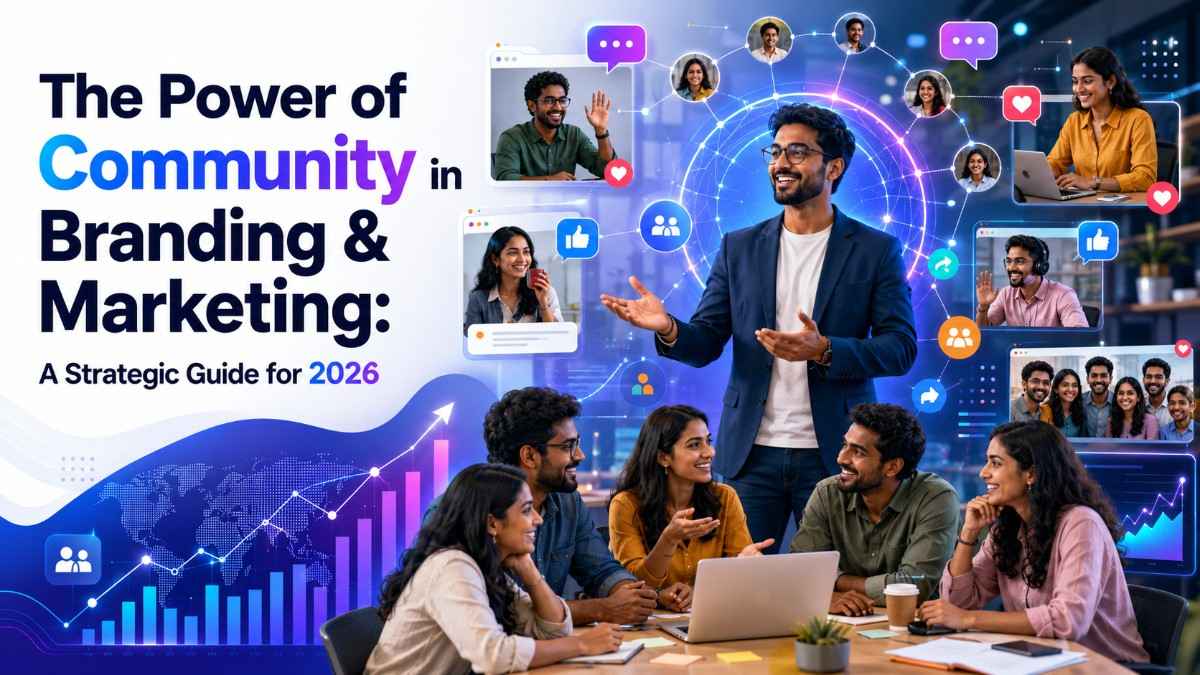
Learn how community branding, social proof, growth hacking, and thought leadership help businesses build trust, engagement, and long-term growth in 2026.
Marketing used to be simple, in a boring way. Brand talks, customer listens, deal done. That's not really how it works anymore, and honestly it hasn't worked that way for a while. The brands getting attention in 2026 aren't necessarily the ones with the biggest budgets. They're the ones with people who actually show up for them, comment, share, and defend them in random Reddit threads nobody asked them to jump into.
A lot of founders still treat community like a nice-to-have. Something you add once the "real" marketing budget is sorted. That's backwards at this point. Community isn't decoration anymore, it's closer to the foundation everything else gets built on. Skip it, and your branding ends up looking polished but kind of hollow.
This guide covers eight ideas that show up constantly in community-driven branding right now: crowdsourcing, evangelist, gamify, growth hacking, social proof, thought leadership, USP, and value proposition. None of these are new inventions. What's changed is how much weight they're carrying.
Why Does Community Carry So Much Weight in Branding Now?
Quick question. Think back to the last brand you actually trusted. Was it the ad? Probably not. More likely it was a friend mentioning it, or a comment thread full of people backing it up, or just seeing the same name pop up enough times in places you trust.
That's community doing the heavy lifting, quietly, without anyone calling it a "strategy".
Brand identity used to get built mostly through ads and PR people writing careful statements. Now it gets built through actual back and forth. A loyalty programme here, a reply to a comment there, someone's product question getting answered by another customer instead of the brand itself. Small stuff, but it adds up fast.
Alright, let's get into the eight terms.
1. Crowdsourcing
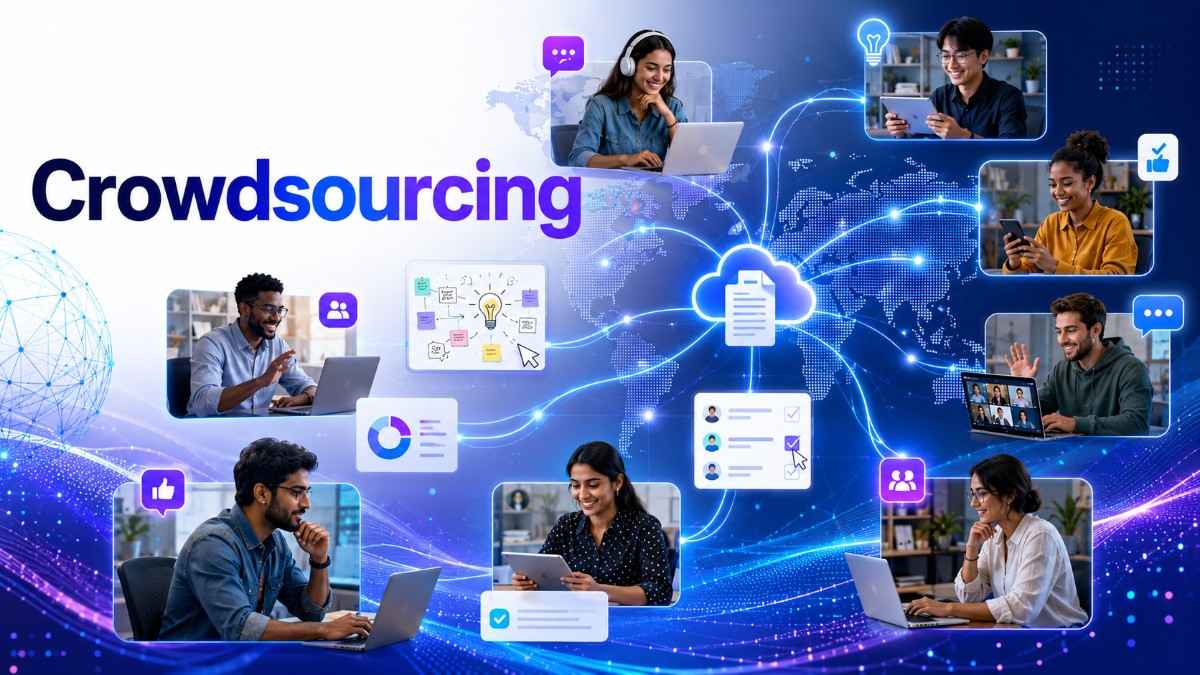 Pull ideas or content straight from your audience instead of guessing internally. That's crowdsourcing, stripped down to its core. Simple concept. The actual hard part is listening once the responses come in, because they won't always say what you expect.
Plenty of brands use this for naming products, picking designs, and even just gathering raw photos and captions they can reuse later. The content part matters, sure, but there's something else going on too. When you ask people to contribute, they start feeling some ownership over the thing. People who feel ownership tend to talk about it more.
Worth noting, this is basically where user-generated content marketing comes from in the first place. Audiences who feel heard make stuff voluntarily, and weirdly, that stuff often outperforms anything a brand team scripts on purpose.
2. Evangelist
 Not every happy customer is an evangelist. Big difference, actually. A happy customer leaves a five-star review if you ask nicely. An evangelist brings your brand up in conversations you're not even part of, argues your case in a comment section, tells a friend without anyone prompting them.
Evangelists matter because their word lands differently. We trust people we know way more than we trust ad copy, no matter how clever the copy is.
There's some overlap with influencer partnerships here, but it's not the same thing. Influencers usually get paid, in cash or free product. Evangelists do it for free, because they actually mean it. That's exactly why it works.
3. Gamify
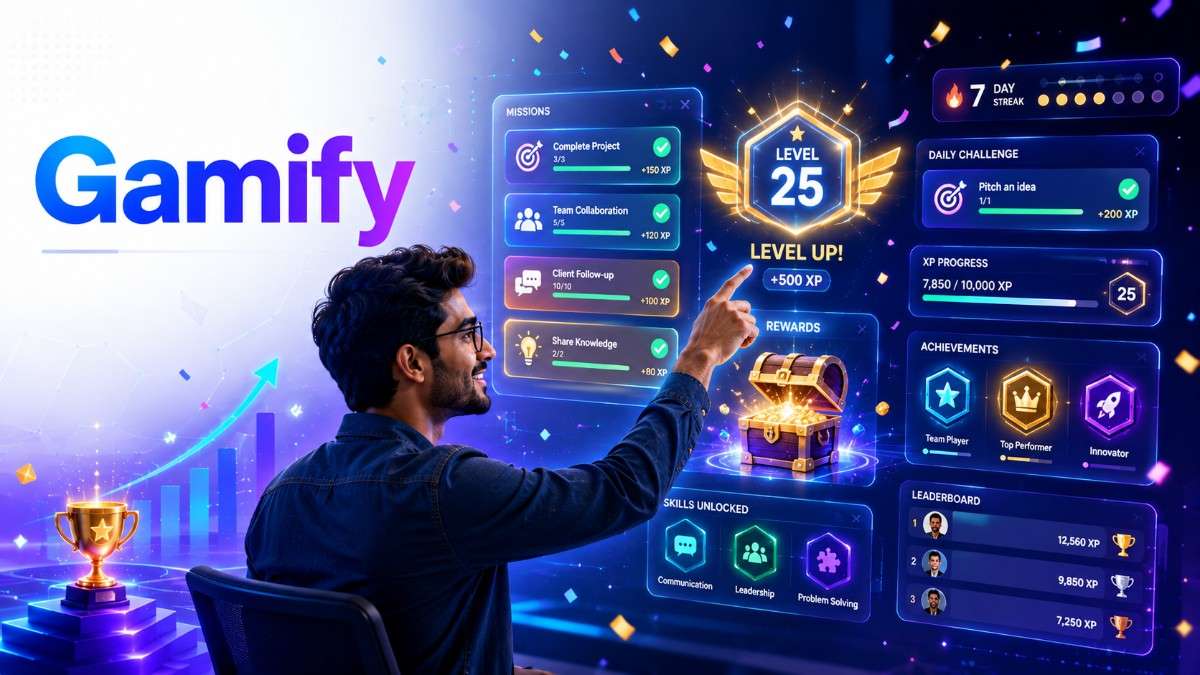 Take game mechanics, points, levels, badges, leaderboards, and slap them onto something that isn't a game. A loyalty app. A community forum. A referral program. That's gamification.
You've definitely run into this already. The coffee app gives you a stamp. The fitness tracker is showing a streak you don't want to break. A forum that ranks the most active members at the top. Small mechanics, but they keep people coming back more than you'd think.
This matters for engagement numbers specifically. People stick around when there's even a tiny sense of progress or competition attached. And more sticking around means a stronger community, which eventually feeds back into actual business growth, not just vanity metrics.
4. Growth Hacking
 Growth hacking gets thrown around a lot, often incorrectly. It's not a single trick. It's more of a mindset, finding fast, cheap, sometimes weird ways to grow instead of just buying more ads.
A referral program that rewards both sides. A product feature that's basically built to get shared. Early access given to a small group who then can't stop talking about it. None of these need a huge budget. They need an actual understanding of why people share things in the first place.
This is where social media really earns its spot. A brand with people genuinely engaged on social platforms has something close to a free growth engine running, something paid ads alone just can't replicate at the same cost.
5. Social Proof
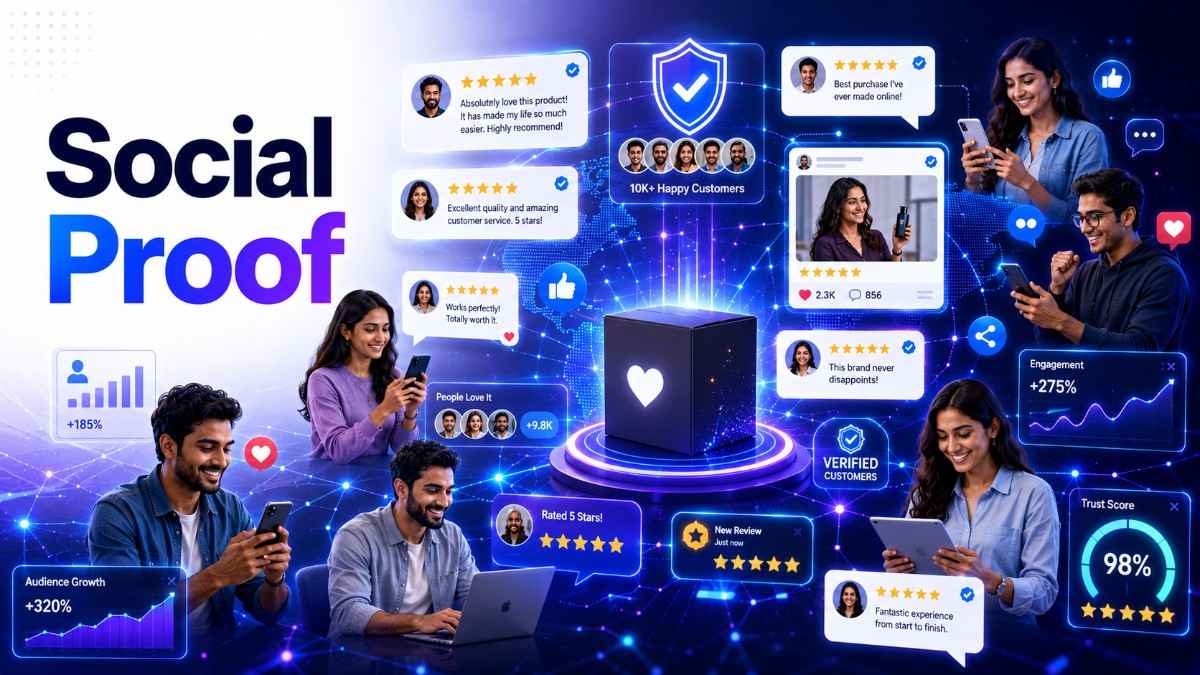 Social proof is what happens when people see others already trusting something, reviews, follower counts, testimonials, the "as seen on" logos brands love slapping on landing pages.
It works because we're wired to look at what other people are doing before deciding for ourselves. Annoying maybe, but true.
A community basically manufactures social proof on its own, without anyone planning it. Every comment, every review, every random share adds a tiny signal that says this thing is real and people actually use it. New visitors pick up on that even if they never talk to a single community member directly.
6. Thought Leader
 A thought leader is usually a founder or exec who's become the person people associate with a certain topic. Not selling directly, more like teaching, sharing opinions, occasionally admitting what didn't work.
This connects to storytelling in a pretty direct way. Instead of pitching a product outright, a thought leader builds trust by sharing insight first. By the time a product gets mentioned, it doesn't feel like a pitch anymore. It feels earned.
Why do brands bother with this? Because authority compounds over time. A respected voice pulls in an audience. That audience slowly turns into a community. And that community ends up supporting basically everything else on this list.
7. USP (Unique Selling Proposition)
 A USP is the specific reason someone picks you over the competitor sitting right next to you. Not a slogan. Not a vibe. An actual, concrete difference.
Here's something a lot of brands don't expect. The real USP often gets discovered through community feedback, not boardroom brainstorming. Customers will point out the thing they value most, sometimes a thing the brand barely talked about before. Listening to that can sharpen a USP that used to sound vague or generic.
8. Value Proposition
 A value proposition is the bigger picture version of a USP. USP is about difference. Value proposition is about the actual benefit, the problem solved, the result someone gets.
A value proposition lands harder when an entire community is backing it up publicly. Claiming your product saves time means one thing in an ad. It means something completely different when a hundred people in a community say the same thing in their own words, unprompted.
That's customer community marketing doing its real job, turning a marketing claim into something that just looks like fact.
How Does All of This Fit Together for 2026?
None of these eight ideas work great sitting alone. Crowdsourcing, evangelists, and social proof all build trust, basically proving real people stand behind a brand instead of just an ad budget.
Gamification and growth hacking handle the engagement and acquisition side, keeping people active and pulling new people in without needing a massive ad spend to do it.
Thought leadership, USP, and value proposition handle positioning, making sure people actually understand why a brand is worth picking in the first place.
Brands strong in just one of these areas tend to hit a ceiling pretty fast. The ones pulling ahead in 2026 are usually working on trust, engagement, and positioning all at once, with community sitting somewhere in the middle of all three, holding it together.
Conclusion
Community stopped being a side project for branding a while back. At this point it's closer to the thing holding everything else upright. Crowdsourcing, evangelists, gamification, growth hacking, social proof, thought leadership, USP, and value proposition look like eight separate marketing terms on a slide, but in practice they overlap constantly, one feeding into the next without much warning.
Brands actually building something real for 2026 don't tackle these one at a time like a checklist. They build trust, engagement, and positioning together around a community that genuinely wants to stick around. If you're not sure where to start, just look at which of those three is weakest right now. That's usually where the real work begins.
FAQs
1. What's the difference between a brand evangelist and an influencer?
An evangelist promotes a brand for free, simply because they like it. An influencer usually gets paid, either with money or free product, in exchange for the promotion.
2. How does gamification improve community engagement?
It adds small rewards or visible progress, points, badges, streaks, that kind of thing, which nudges people to participate more and stick around longer than they normally would.
3. Can growth hacking work without an existing community?
Not really, or at least not well. Most growth hacking tactics depend on people sharing something, which means you need at least a small starting audience for it to move at all.
4. Why does social proof matter so much for new brands?
New brands have no history to lean on yet, so even a handful of genuine reviews or mentions helps build the trust that an older, established brand would already have.
5. How is a value proposition different from a USP?
USP is about what makes you different from competitors. Value proposition is about the actual benefit someone gets from choosing you, regardless of who else is in the market.
6. What role does crowdsourcing play in brand storytelling?
It brings real customer voices into the story instead of leaving it entirely to a marketing team, which makes the whole thing feel a lot less scripted.