Famous Startup Slang & Culture Terms Every Founder Should Know (2026 Glossary)
By Rohini Rajpoot · 10 July 2026
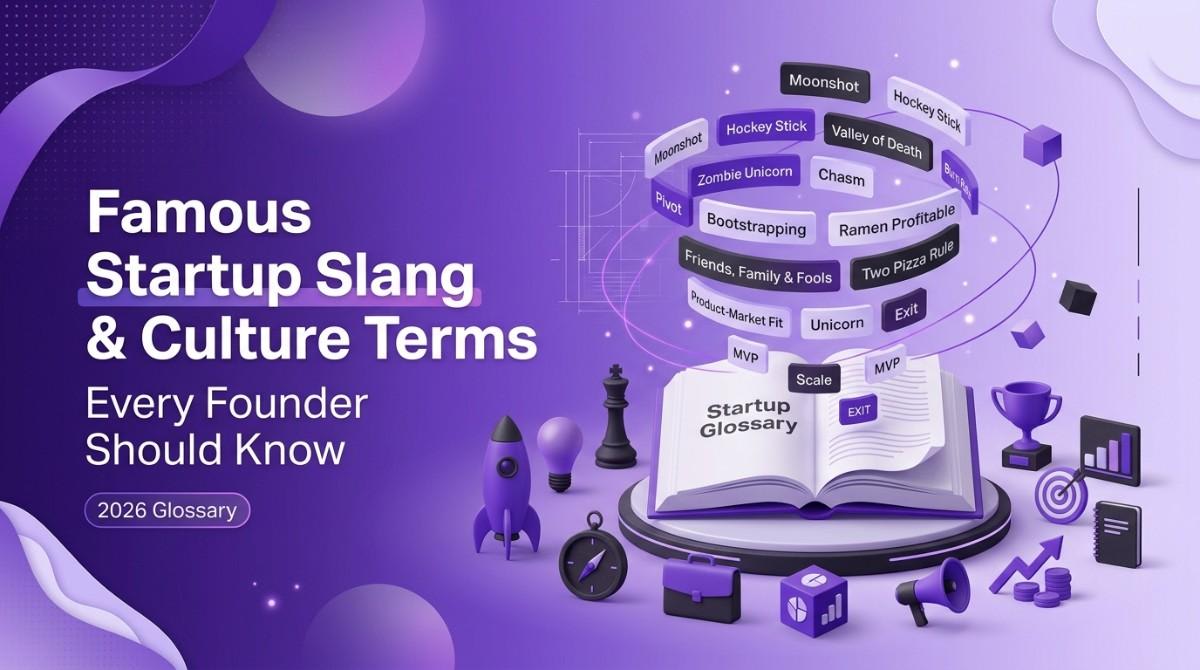
Learn common startup slang, from ramen profitable and hockey stick growth to zombie unicorns, with simple founder-friendly explanations.
I once sat in a founder meetup where someone said "yeah we're basically ramen profitable but still stuck before the chasm" and the whole table just nodded like that sentence made perfect sense. It does, eventually. But the first time you hear it? You're either nodding along pretending you got it, or quietly typing it into Google under the table.
That's startup slang for you. It didn't come from a textbook. It came from accelerator hallways, founder group chats at 2am, investor meetings where someone needed a shorter way to say something painful. And honestly a lot of it stuck around because it's just... better than the formal version. Saying a company is a "zombie unicorn" tells you more in two words than three paragraphs of financial analysis would.
This list covers eleven terms that keep showing up, the ones you'll actually hear in real conversations, not just in some glossary nobody reads. Some are funny. A couple are a little painful if you've actually lived through them. Worth knowing all of them before you're the one nodding along pretending.
Why This Slang Actually Matters (Not Just for Sounding Smart)?
Fair question though, why bother with slang at all when there's perfectly fine formal language already?
Because the formal version usually misses the point. "Negative cash flow trend following post-launch engagement decline" is technically correct, sure. Nobody talks like that. "Trough of sorrow" says the same thing in three words and somehow also tells you how it feels.
There's a practical side too. A lot of unusual startup slang terms show up constantly once you're around funding conversations, pitch decks, investor calls. Missing one mid-sentence slows the whole room down for a second, and yeah, it's a small tell that you're newer to this world than you'd maybe like to look.
Anyway. Let's go through them.
1. Buying the Logo
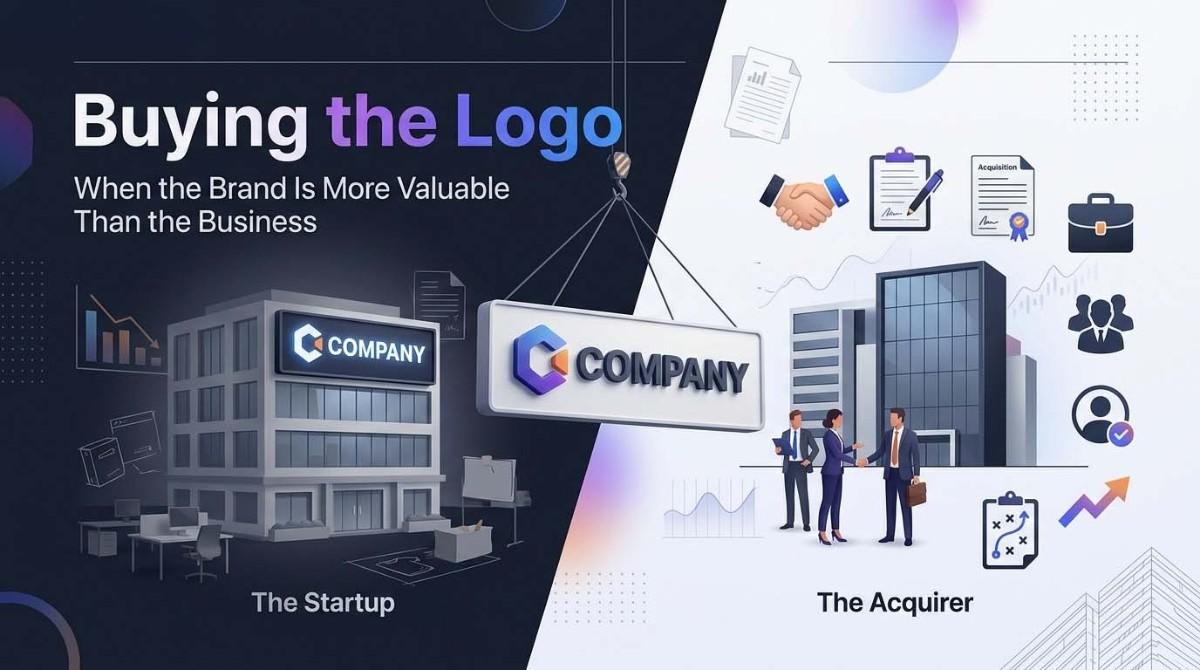 Sometimes a company gets bought and the buyer genuinely doesn't care about the product underneath it. They want the name. Maybe the team. Sometimes just whichever three engineers are still good. That's buying the logo.
This usually happens to startups that built up some name recognition, maybe a decent team, but the business itself never quite clicked. The acquirer isn't paying for revenue, they're paying for whatever's left that's still worth something.
People say this phrase with a bit of an edge to it. Not mean exactly, just realistic. Everyone in the room usually already knows the acquisition wasn't really a win, this just names it out loud.
2. Chasm
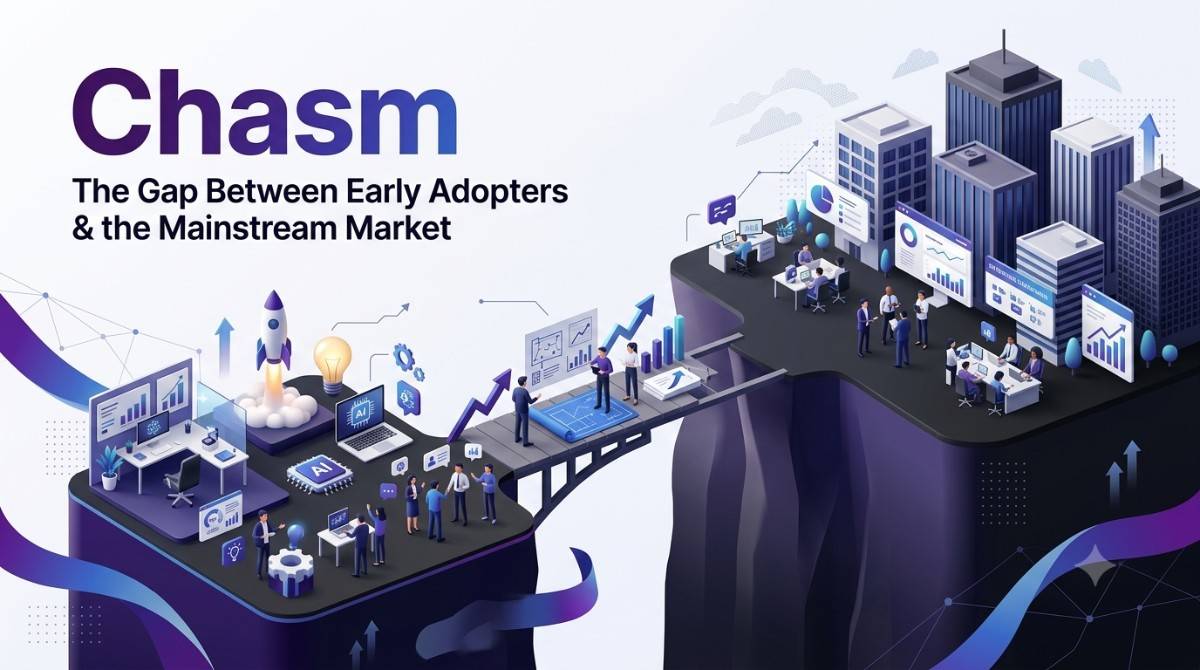 This comes from crossing the chasm startup adoption theory, the Geoffrey Moore idea most founders run into eventually whether they read the book or not. Early adopters and the mainstream market want completely different things, and a startup that nails the first group often falls flat trying to reach the second.
Early adopters forgive rough edges. They like being early, that's basically the appeal for them. Mainstream customers don't care about being first at all, they just want something that works without thinking too hard about it. The chasm sits right between those two groups.
So when someone says a startup is "stuck in the chasm," they mean it's got a small, loyal, slightly obsessive user base and absolutely no idea yet how to grow past it.
3. Eat Their Lunch
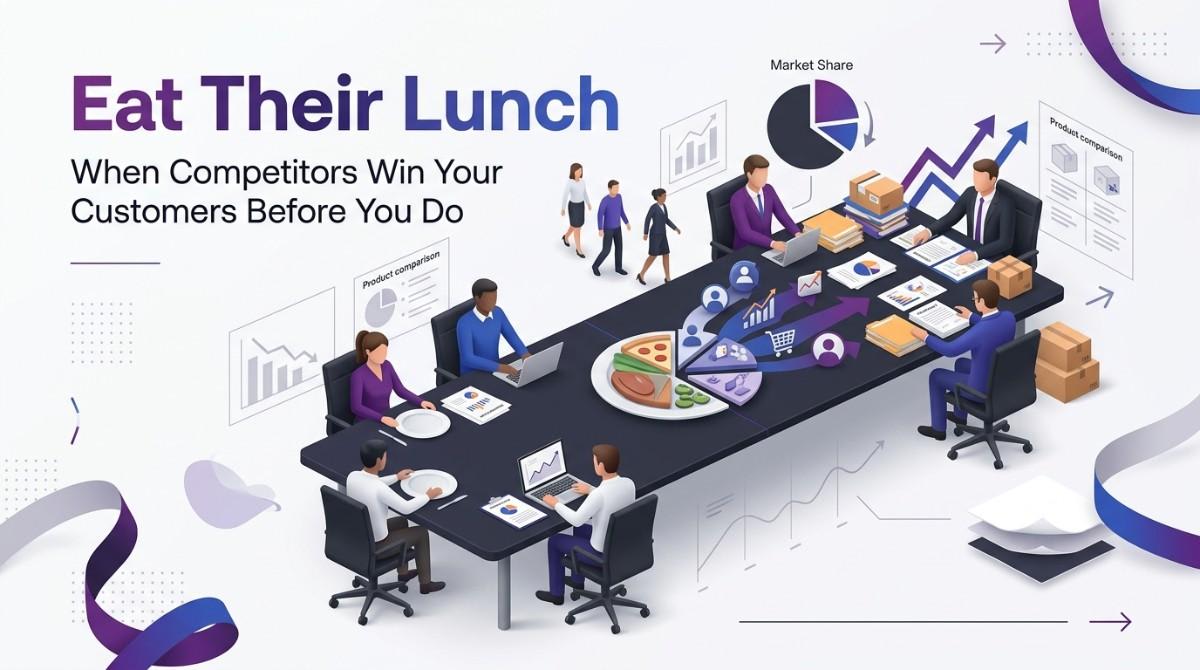 Pretty literal once you hear it explained, honestly. A competitor shows up, moves faster, takes the customers, and leaves basically nothing behind. "They're eating our lunch" tends to come up right before a founder starts frantically rethinking pricing.
Used most when a bigger or quicker rival enters a space a startup thought it had figured out. There's an urgency to the phrase. Nobody says it lightly.
4. Friends, Family, and Fools
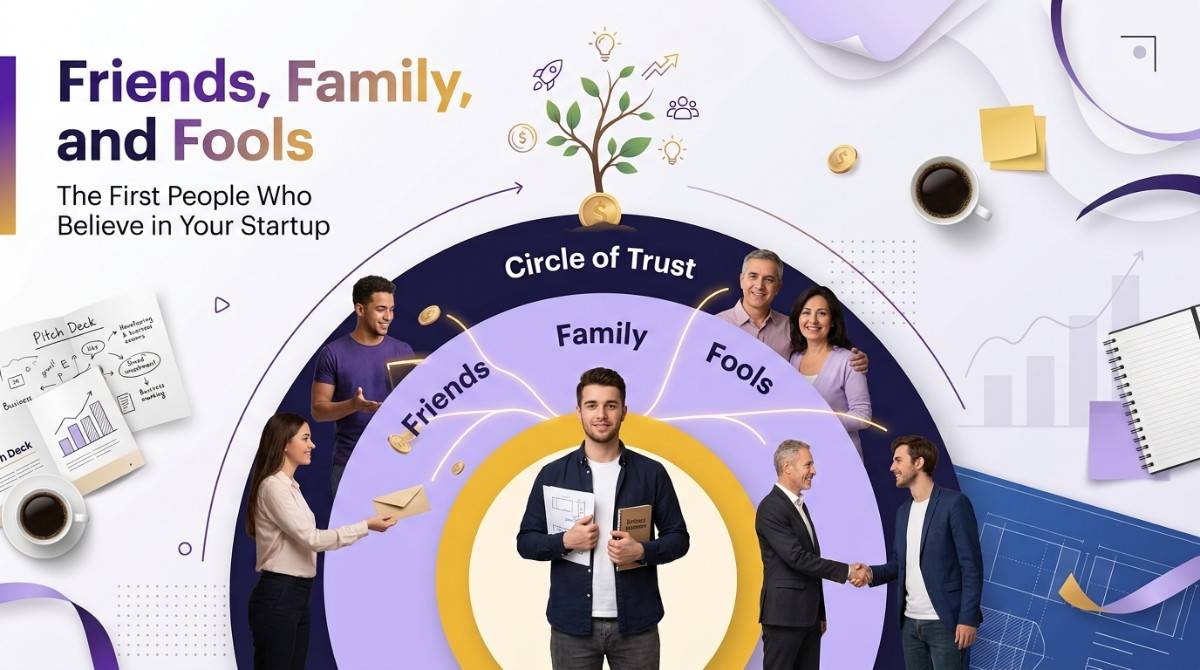 The earliest round of money most founders raise, usually from people who actually know and love them. Sometimes literal family. Sometimes a friend who barely understands the business but trusts the person pitching it. The "fools" part is half a joke, said with some affection, not really an insult.
This connects to seed funding and early-stage investors, just a step before things get formal and official. It's risky in both directions though. The founder's asking people they care about to gamble real money, and those people are mostly betting on trust, not data.
A lot of founders get genuinely sentimental about this round years later. Probably because it's the first time anyone believed in them with zero proof to point to.
5. Hockey Stick
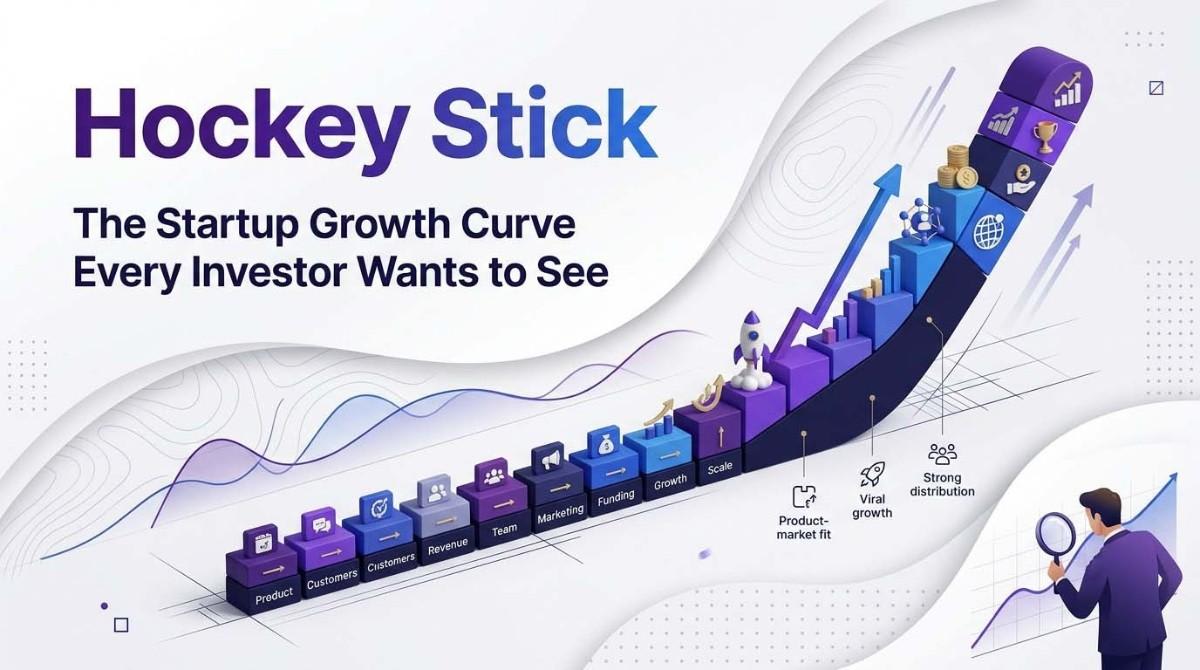 Flat line for a while. Then it bends sharply upward. Looks like a hockey stick lying on its side, hence the name, and it's exactly the startup growth curve and scaling stages shape investors get excited seeing on a slide.
The flat part is the slow grind everyone hates talking about. The sudden bend is usually some combination of product market fit clicking, a viral moment, or a distribution channel finally working. Investors love this shape because it suggests the business can scale fast once it gets going.
Here's the thing though, not every hockey stick on a slide is real. Some get drawn a little generously. A sharp investor knows to ask what's actually causing that bend instead of just admiring how nice the curve looks.
6. Moonshot
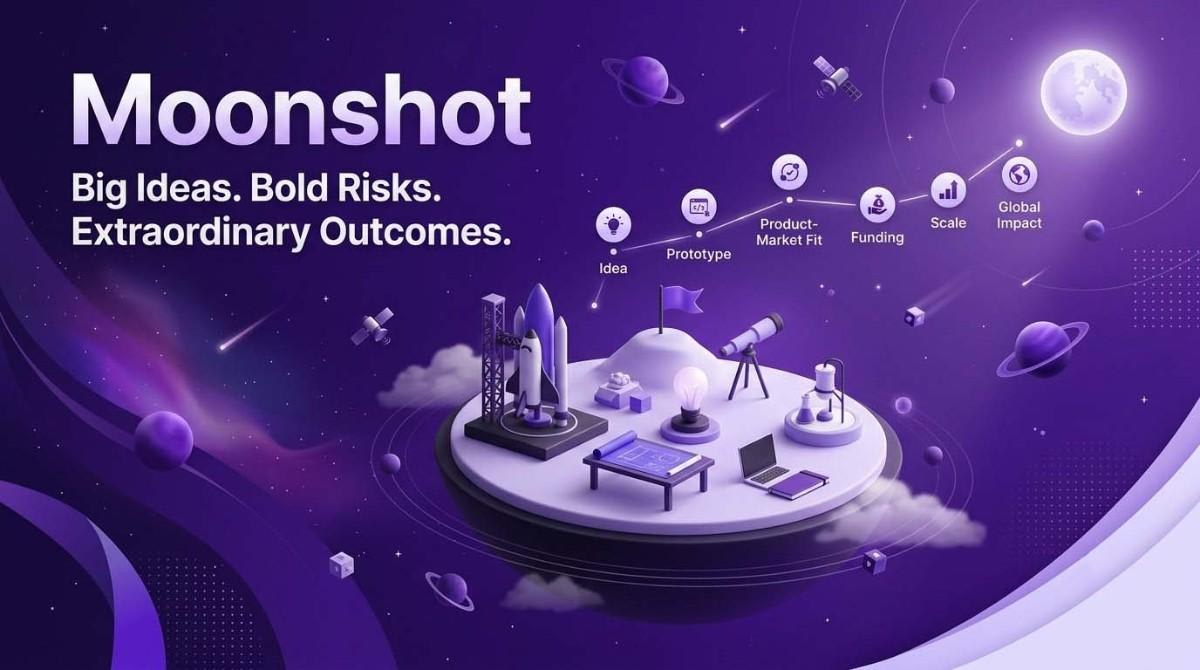 A moonshot is a project ambitious enough to sound a little unreasonable out loud. Huge upside if it works, very real chance it just doesn't. The name comes from, well, the actual moon landing, which at the time also sounded kind of crazy to most people.
Startup culture loves moonshot thinking even though most moonshots fail. The math behind it is that a few massive wins can outweigh a long pile of smaller misses, which is basically the entire venture capital model in one sentence.
You'll hear this used for side projects, ambitious product bets, sometimes a company's whole mission if it's reaching for something nobody's actually proven yet.
7. Ramen Profitable
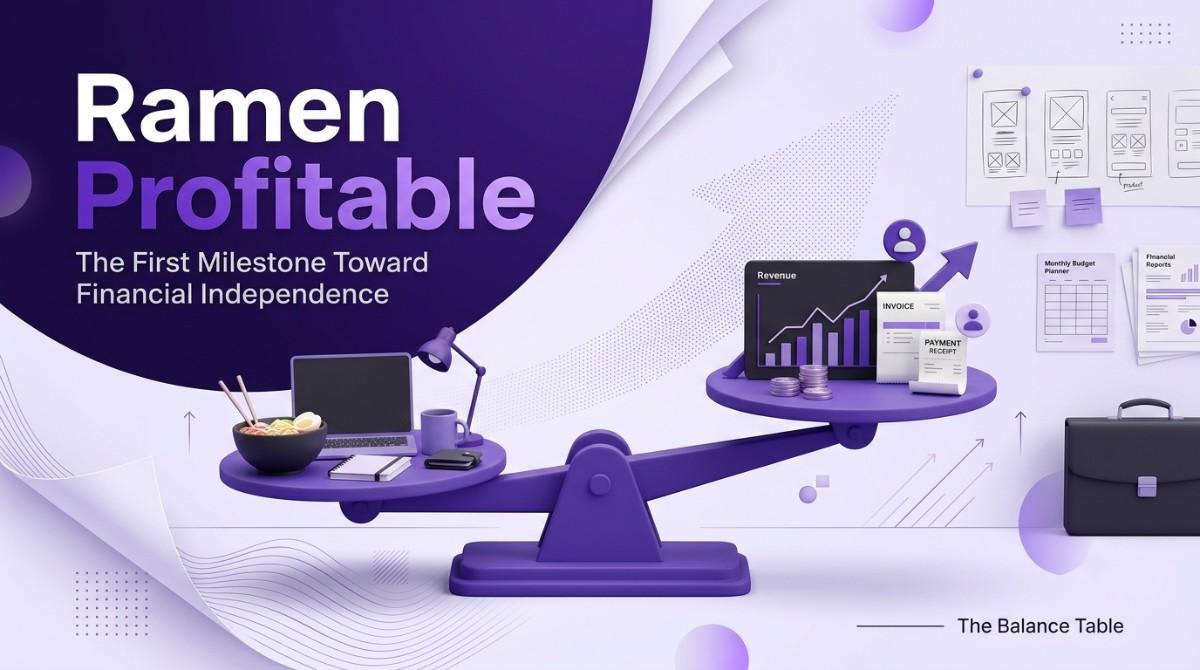 Means a startup earns just enough to cover the founders' basic living costs. Named after the cheap instant noodles a lot of founders eat way too much of while bootstrapping. Not real business profitability. More like survival mode with a name.
But here's why it's a bigger deal than it sounds. Ramen profitable means a founder doesn't have to take outside money just to stay alive. Changes the whole power dynamic with investors. The founder's choosing to raise, not begging to, and that difference shows up in every negotiation after that point.
Small milestone on paper. Genuinely meaningful in terms of leverage and, honestly, sleep.
8. Trough of Sorrow
 The dip after launch hype fades. Engagement slows down, the early excited users wander off, and the founder's left staring at numbers that look way less impressive than they did during launch week. That dip is the trough of sorrow.
It's one of the more common startup failure and decline phrases, mostly because it's the point where founders start seriously wondering if the idea even works. Thing is, most founders who eventually make it went through this exact stretch. It's not really a sign you messed up. It's closer to just... part of it.
9. Two Pizza Rule
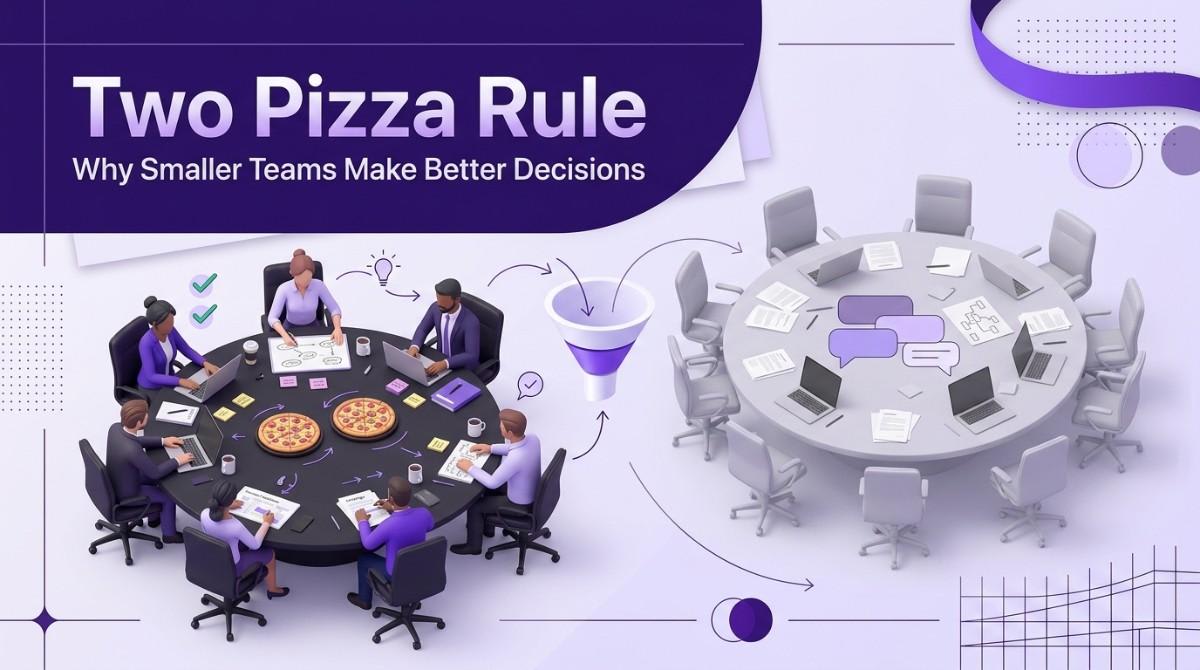 Jeff Bezos's rule, more or less. If a team can't get fed by two pizzas, it's too big for an effective meeting. Somewhere around six to ten people depending how hungry everyone is that day.
Ties straight into team productivity and meeting culture rules. Smaller groups talk faster, decide faster, skip the part where half the room is just there to listen and nod.
Some founders still follow this exactly. Others adapted it for remote teams, where literally feeding a room isn't really the point anymore, but the underlying logic, keep decision-making groups small, hasn't really changed at all.
10. Valley of Death
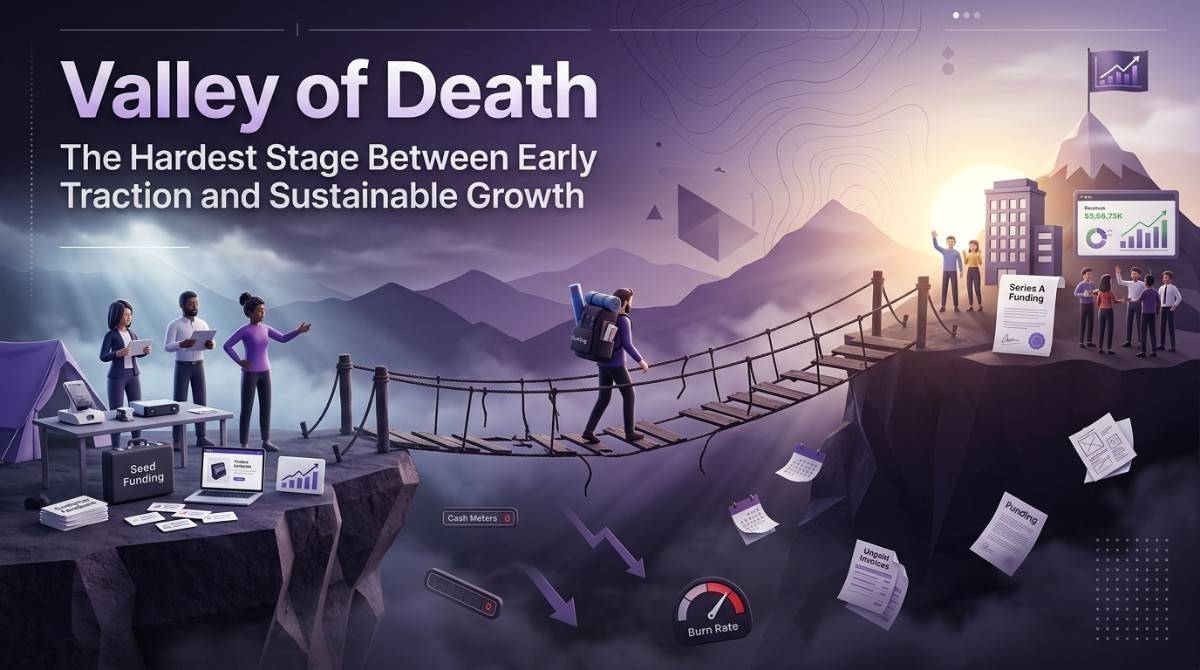 Describes the dangerous stretch between early traction (a working prototype, maybe a few paying customers) and actual sustainable revenue. A lot of startups don't die because the idea was bad. They die right here, running out of money or momentum before reaching solid ground.
Connects directly to venture capital funding milestones, since this gap is usually between early seed cash drying up and a startup proving enough traction to raise the next real round.
Founders who make it through usually call this the hardest stretch of the whole journey. Harder, somehow, than the original uncertainty of just starting out.
11. Zombie Unicorn
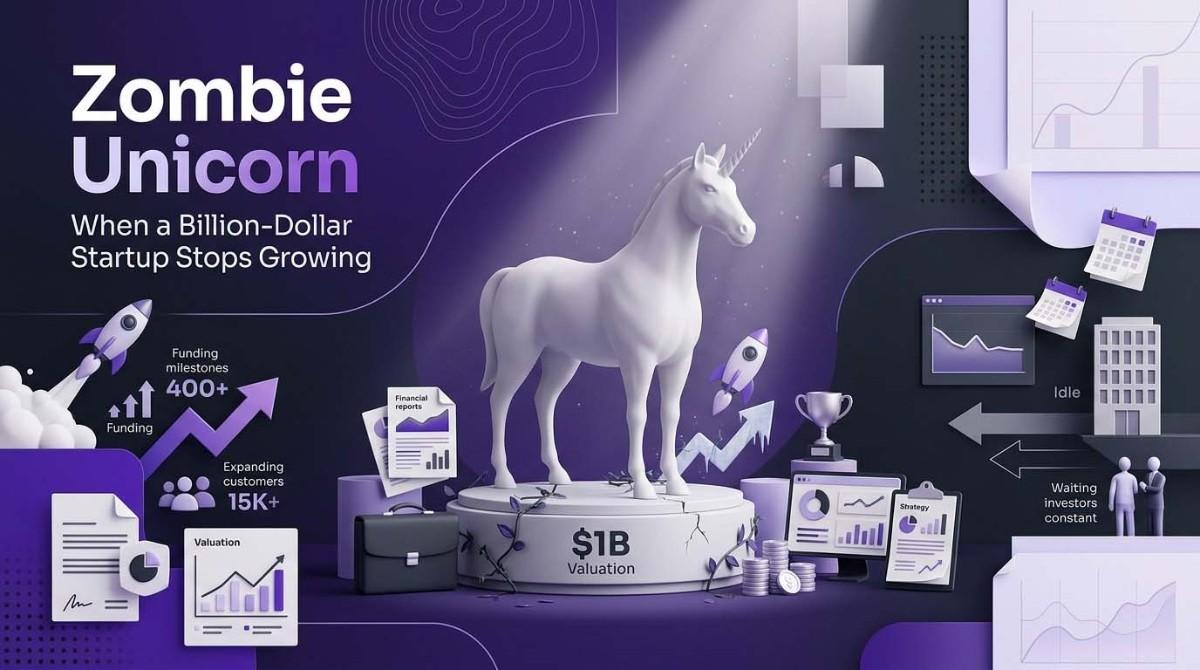 A unicorn is a startup valued above a billion dollars. A zombie unicorn hit that number once, then basically stopped, growth flat, momentum gone, but it's still technically walking around with that billion dollar label from some earlier funding round.
Difference between the real thing and the zombie version comes down to trajectory, not the number itself. A real unicorn is still growing toward that valuation. A zombie one is frozen there, sometimes for years, without anything underneath to justify staying at that level.
This term's come up a lot more lately, mostly because a bunch of valuations from a few years back are getting tested hard against companies that just haven't grown into the numbers investors priced in back then.
How These Terms Actually Fit Together?
A handful of these are about risk and decline. Buying the logo, trough of sorrow, valley of death, zombie unicorn. Not fun stuff, but spotting these early can help a founder react instead of staying in denial about where they actually stand.
Another group's about growth and execution. Hockey stick, moonshot, two pizza rule. These are more about the mechanics of moving fast once things start clicking.
Third group covers the early, messy days. Chasm, friends family and fools, ramen profitable. The uncertain stretch before a startup's proven much of anything yet.
Knowing which bucket you're actually in helps more than it sounds like it would. It's less about sounding smart in a meeting and more about figuring out what problem you're genuinely dealing with right now.
Conclusion
Startup slang isn't just there to sound cool in a pitch meeting. Ramen profitable, valley of death, zombie unicorn, these phrases describe real patterns founders run into over and over, often more honestly than the formal business language ever manages to.
Knowing these terms does more than help you keep up in conversation. It helps you figure out exactly what stage or problem you're actually dealing with, which makes it a lot easier to know what to do about it. If you're navigating every stage of your startup journey, having the right strategy and expert support can make every milestone easier to achieve.
FAQs
1. What does ramen profitable actually mean for a startup?
Means the business covers the founders' basic living costs, nothing more. Not full profitability, just enough that nobody needs outside funding purely to survive.
2. How is the valley of death different from the trough of sorrow?
Trough of sorrow is mostly emotional, the dip in motivation once launch excitement fades. Valley of death is financial, the funding gap between early traction and actual sustainable revenue.
3. Why is crossing the chasm considered the hardest part of startup growth?
Because early adopters and mainstream customers want completely different things. Winning the first group doesn't guarantee anything with the much bigger mainstream market, and that's exactly where a lot of startups stall out.
4. What is the difference between a unicorn and a zombie unicorn?
A unicorn's valued over a billion and still growing into that number. A zombie unicorn hit that valuation in the past but has since stalled, flat or shrinking growth.
5. Why do investors care so much about the hockey stick growth pattern?
It signals scalability, that moment growth shifts from slow and steady to fast and compounding, which is basically the bet venture investors are making in the first place.
6. Is the two pizza rule still relevant for remote startup teams?
The literal pizza part doesn't really apply anymore, no. But the core idea, small groups make faster decisions, still holds up just as much as it always did.